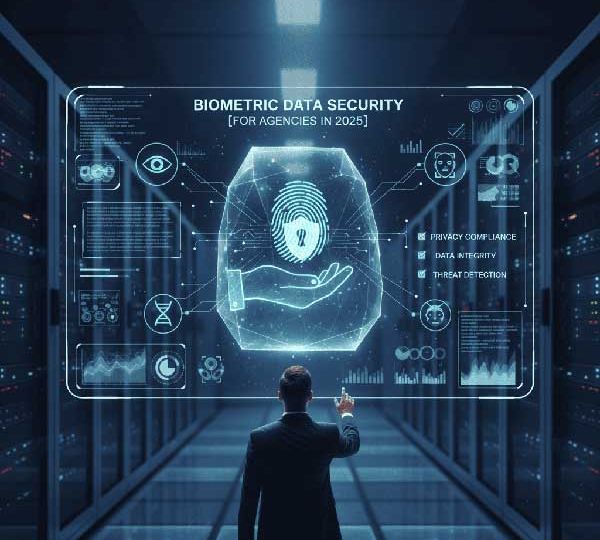
Biometric data is among the most sensitive information an organization can collect. Fingerprints, iris scans, and facial templates require careful handling due to their permanence and legal significance. As we enter 2025, cybersecurity threats targeting biometric systems continue to evolve, requiring agencies to strengthen their security posture.
Below is a detailed overview of the key data security considerations for organizations relying on biometric identification.
Why Biometric Data Security Matters
Unlike passwords or pins, biometric data cannot be changed if compromised. Protecting this information is essential for:
- CJIS compliance
- HIPAA compliance
- Employee and civilian privacy
- Avoiding legal and financial liability
Agencies must adopt a security-first approach to biometric system deployment.
Top Biometric Security Threats in 2025
1. Unauthorized System Access
Attackers target:
- Enrollment stations
- Workstations storing biometric data
- Network transmission points
Strong access controls and MFA are required.
2. Unencrypted Data Transmission
Cleartext transmission creates opportunities for interception. CJIS requires encryption for all data in transit.
3. Outdated Hardware and Software
Legacy systems fail to:
- Support modern encryption
- Receive patches
- Meet current compliance standards
4. Insider Threats
Unauthorized staff access to biometric records poses significant risk, especially in high-turnover environments.
5. Cloud Misconfigurations
As more organizations adopt cloud-based biometric systems, misconfigured servers become a leading cause of data exposure.
Best Practices for 2025
1. End-to-End Encryption
Biometric templates must be encrypted:
- At rest
- In transit
- During processing
2. Role-Based Access Controls
Only authorized personnel should access biometric data or enrollment tools.
3. Regular Audits and Logging
Detailed audit logs ensure:
- Accountability
- Traceable access patterns
- Easier compliance audits
4. Secure API Integration
Integrations with AFIS, HR systems, or background check providers must follow strict encryption and identity controls.
5. Continual Patch Management
Vendors must provide:
- Firmware updates
- Security patches
- Regular releases aligned with compliance frameworks
6. Vendor Vetting
Organizations should evaluate:
- Vendor compliance history
- Data handling policies
- Security support and documentation
How IB Systems Supports Biometric Data Security
IB Systems provides:
- CJIS-compliant security architecture
- Encrypted transmission tools
- NIST-compliant template formatting
- Audit logging and role-based access controls
- Secure integration support with state and federal systems
Conclusion
Biometric data security is non-negotiable as we move into 2025. Organizations must implement strong security controls, modern hardware, and compliant software to protect sensitive identity information. IB Systems equips agencies with secure, reliable biometric systems designed to meet today’s and tomorrow’s data protection challenges.