

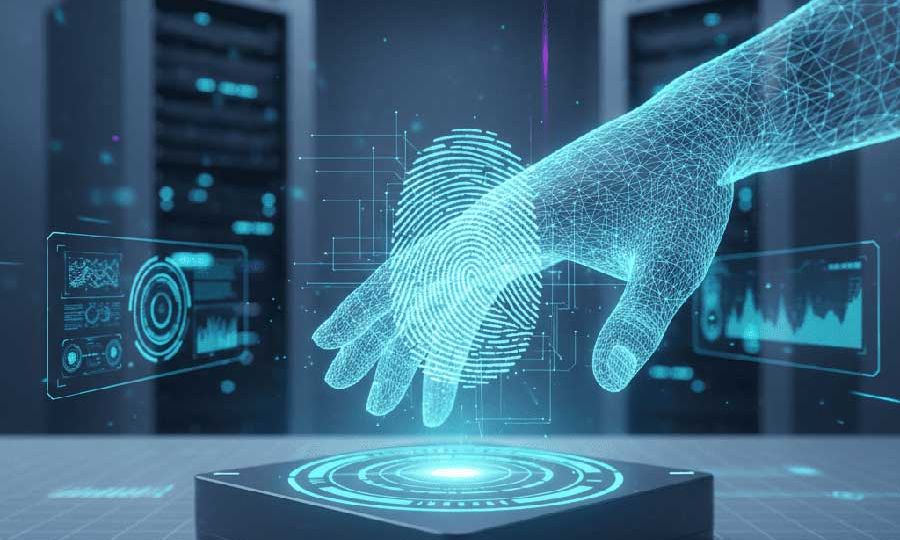
Biometric identification has long relied on physical contact. Traditional fingerprinting methods require an individual to place a finger against glass, a platen, or an inked surface. While these processes have advanced through live scan technology, they still depend on direct touch. In recent years, contactless fingerprinting has emerged as a major innovation, reshaping how identity verification is performed across industries.
As agencies, enterprises, and licensing authorities look for faster, cleaner, and more scalable ways to capture biometrics, touchless fingerprinting is becoming a leading solution. Below is a deeper look at how this technology works, why organizations are adopting it, and where it fits within the future of identity workflows.
What Is Contactless Fingerprinting?
Contactless fingerprinting uses high-resolution cameras and advanced imaging algorithms to capture friction ridge patterns without requiring physical contact. Instead of touching a glass platen, users hover their finger above a camera system. The software then reconstructs a high-quality, two-dimensional or three-dimensional fingerprint image that meets biometric standards.
These systems use:
- High-definition optical sensors
- AI-driven ridge reconstruction
- Image normalization algorithms
- Environmental compensation for lighting, angle, and distance
When properly implemented, the result can rival the accuracy of Appendix F live scan fingerprinting devices.
Why Contactless Fingerprinting Is Growing Quickly
The shift to touchless technology is not a fad. Several meaningful drivers are accelerating adoption:
1. Hygiene and Safety Demands
COVID-19 permanently altered expectations around shared equipment. Touchless fingerprinting eliminates the sanitation burden associated with high-volume live scan stations.
2. Faster Capture and Higher Throughput
Without a platen, operators avoid:
- Smudges
- Moisture interference
- Pressure-related distortion
This significantly reduces recapture rates and speeds enrollment.
3. Better Field and Mobile Use
Contactless systems perform well in:
- Airports
- Border checkpoints
- Public events
- Mobile law enforcement units
The absence of fragile platen surfaces also reduces hardware damage.
4. Growing Need for Frictionless Security
Sectors like transportation, travel, retail, and financial services increasingly expect identification that is:
- Fast
- Non-disruptive
- Scalable for crowds
Touchless fingerprinting delivers a more modern user experience.
Current Limitations
Although highly promising, contactless fingerprinting is not yet a universal replacement for live scan systems. Key constraints include:
- Variability in lighting environments
- Movement artifacts during capture
- Lack of widespread FBI Appendix F certification
- Integration challenges with legacy AFIS platforms
These limitations are being addressed rapidly as imaging and AI improve.
Use Cases Across Industries
Contactless fingerprinting is already gaining traction in:
- Border Control: Touchless kiosks reduce bottlenecks during peak travel.
- Aviation and Transportation: Airports use touchless biometrics for secure passenger flow.
- Mobile Law Enforcement: Officers can capture fingerprints in the field without a platen.
- Financial Institutions: High-security verification in banking environments.
- Corporate Security: Access control with minimal equipment maintenance.
How IB Systems Supports Contactless Adoption
While traditional live scan systems remain the compliance standard, IB Systems is actively evaluating and integrating next-generation contactless solutions. Our team ensures devices meet the image quality, interoperability, and compliance standards agencies require.
For organizations preparing for the future of identity workflows, IB Systems provides:
- Guidance on emerging standards
- Hardware evaluations and pilot programs
- Integration support with AFIS and enrollment systems
- Mobile-friendly options for distributed teams
The Road Ahead
Contactless fingerprinting will not replace traditional live scan overnight. But as algorithms mature and certification pathways develop, touchless capture will become a defining component of biometric screening. Organizations that begin evaluating this technology now will be better positioned for a frictionless, high-throughput future.